

Silver Creek Season Is Here! Fall Fly Fishing in Arizona’s White Mountains
October 2026 Fishing Report | Silver Creek, Show Low & White Mountain Lakes
Fall is officially here, and for Arizona fly anglers, that means one thing: Silver Creek season is back!
October 1 marked the opening of Silver Creek’s highly anticipated catch-and-release season, bringing anglers back to one of Arizona’s most exciting cold-weather trout fisheries.
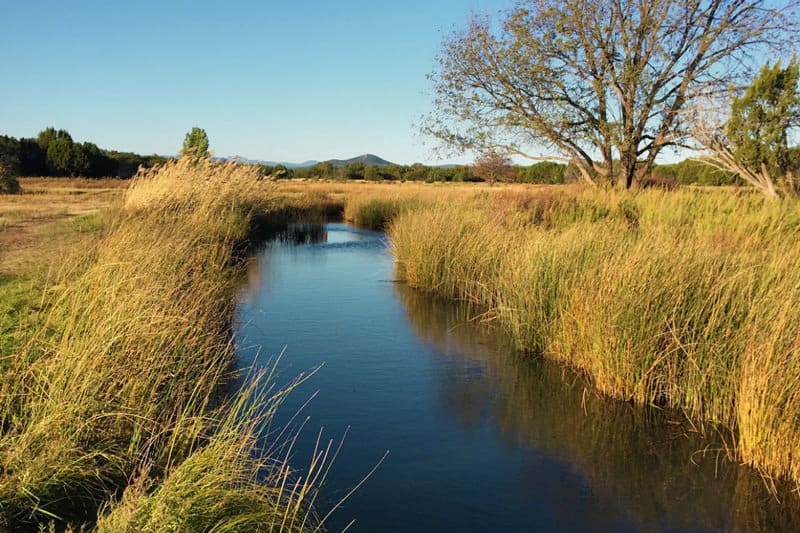
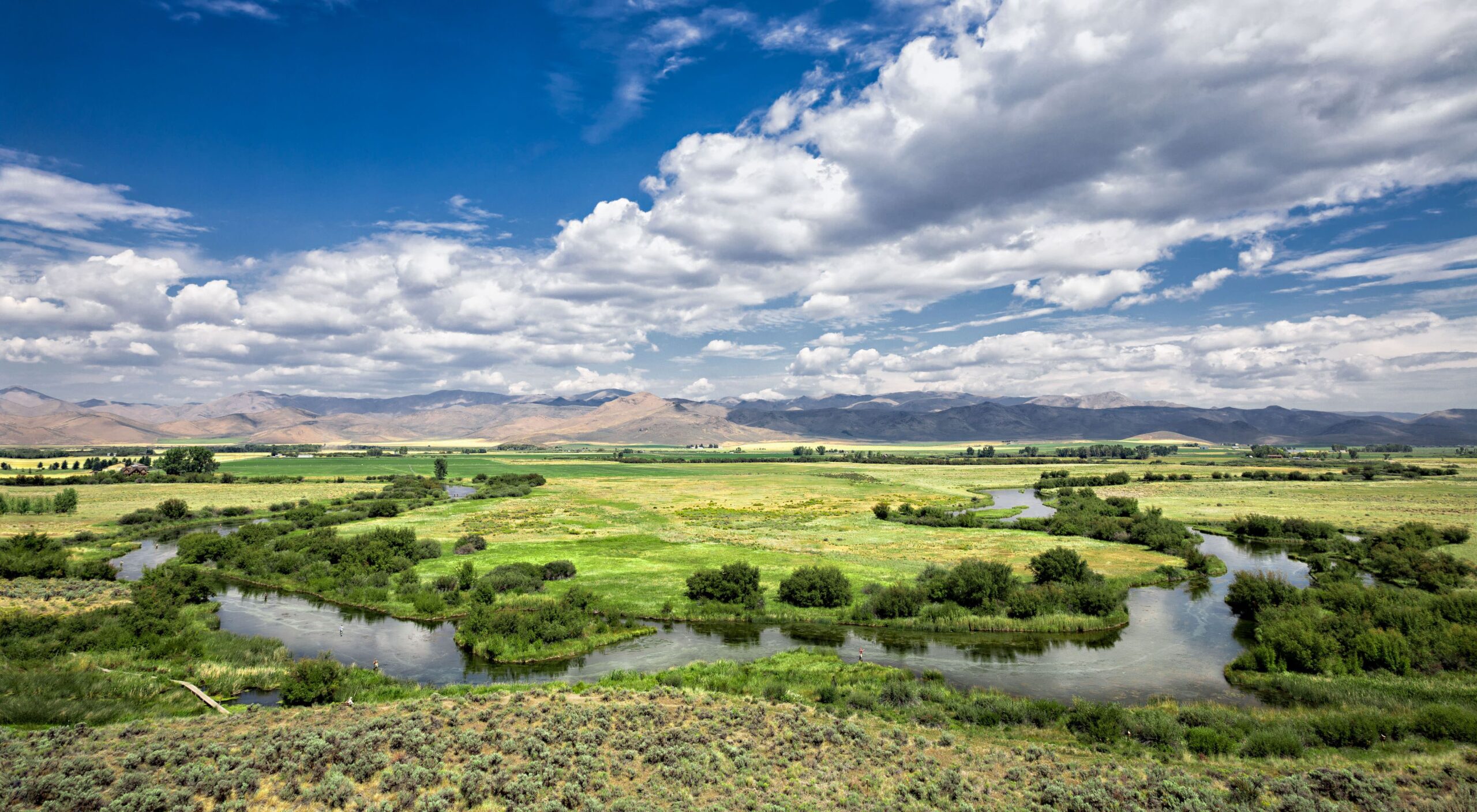
Located just outside Show Low in the beautiful White Mountains, Silver Creek is proof that you don’t need big water to find big fish. This relatively small creek is known for providing opportunities to catch impressive rainbow and Apache trout, including some truly memorable fish.
Whether you’re making the drive from Phoenix for a day trip or planning a weekend in the high country, here’s everything you need to know to make the most of Silver Creek and the surrounding White Mountain waters this fall.
Silver Creek: Small Water, BIG Fish
Silver Creek is a unique fishery managed by the Arizona Game and Fish Department. Its seasonal catch-and-release program helps create opportunities for anglers to target larger trout throughout the fall and winter months.
The catch-and-release season runs October 1 through March 31, before the catch-and-keep season begins again on April 1.
With large fish in relatively small water, Silver Creek offers a distinctly different experience from Arizona’s larger rivers and lakes.
Anglers should be prepared for technical presentations, changing conditions, and fish that can become increasingly selective as the season progresses.
But that’s part of what makes Silver Creek so much fun!
Recommended Gear for Silver Creek
Your go-to 9-foot, 5- or 6-weight fly rod is an excellent starting point for this fishery.
These rods provide versatility for casting indicator rigs, larger attractor patterns, and smaller flies while giving you the backbone needed to handle a powerful trout.
Our recommended setup:
- Rod: 9-foot, 5- or 6-weight fly rod
- Line: Weight-forward floating fly line
- Leader: 9-foot tapered leader, adjusted to conditions
- Tippet: Appropriately sized fluorocarbon or nylon tippet
- Indicators: Adjustable strike indicators for nymphing
- Net: Long-handled net with a large, fish-friendly basket
- Flies: Eggs, worms, mop flies, leeches, buggers, nymphs, midges, and emergers
Lighter tippet can help when targeting older, more selective fish, particularly during the late season. However, don’t go lighter than necessary. Silver Creek’s larger trout need to be landed efficiently and released with minimal stress.
A long-handled landing net is particularly valuable here. Fishing is commonly done from the banks rather than by wading, and a net with additional reach can make landing larger trout considerably easier.
Early-Season Fly Fishing: October Through Early Winter
At the beginning of the catch-and-release season, Silver Creek trout can respond well to larger, more noticeable attractor patterns.
This is an excellent time to experiment with flies that create a strong visual target.
Early-Season Flies to Try
Egg Patterns
Eggs are a great starting point when fishing under an indicator. Experiment with different colors and sizes until you find a presentation that gets attention.
Worm Patterns
Worm patterns can be effective when trout are willing to eat larger, easy-to-identify food sources.
Mop Flies
Mop patterns offer a larger profile and can be particularly useful when fish respond to bright, attention-grabbing presentations.
Leeches & Woolly Buggers
Dark, olive, and natural-colored leech and bugger patterns can be effective when fished slowly through deeper holding water or along current seams.
Larger Nymphs
Stonefly-style and larger general-purpose nymph patterns can be worth exploring early in the season.
Early-Season Fishing Tips
Start by looking for deeper pockets, slower runs, and transitions where trout can hold comfortably.
Fish your indicator rigs at an appropriate depth, adjusting your weight and presentation to keep flies in the strike zone.
Don’t be afraid to change patterns, colors, or depth throughout the day.
Shop Tip: Early in the season, larger attractor patterns are a great place to start. As the fish experience more angling pressure and the water cools, be prepared to downsize.
Late-Season Fly Fishing: Think Like a Tailwater Angler
As winter settles into Arizona’s White Mountains, Silver Creek begins to fish more like a technical tailwater.
Water temperatures drop, fishing pressure accumulates, and trout can become increasingly selective.
The larger attractor patterns that produced earlier in the season may give way to much smaller, more subtle presentations.
This is when midges and emergers become especially important.
Late-Season Fly Selection
- Midge Larvae: Sizes 18–22
- Midge Pupae: Sizes 18–22
- Small Emergers: Sizes 18–22
- Small Nymphs: Sizes 18–22
Black, red, olive, and natural tones provide useful options for your fly box.
When fish become especially selective, focus on getting the depth and drift right before constantly changing flies.
Late-Season Fishing Tips
Downsize Your Flies
Smaller patterns can help imitate the natural food sources trout rely on through the colder months.
Focus on Presentation
An accurate cast and natural, drag-free drift can be more important than the exact pattern you’re fishing.
Watch Your Tippet
Adjust your tippet to the water conditions and the fish’s behavior, while keeping it strong enough to land fish efficiently.
Look for Subtle Takes
Cold-water trout may take flies gently. Pay attention to small movements in your indicator or leader.
Be Patient
Silver Creek’s larger trout don’t always come easily, but that’s what makes catching one so rewarding.
Fishing Silver Creek From the Banks
One of the things that makes Silver Creek unique is the way anglers approach the water.
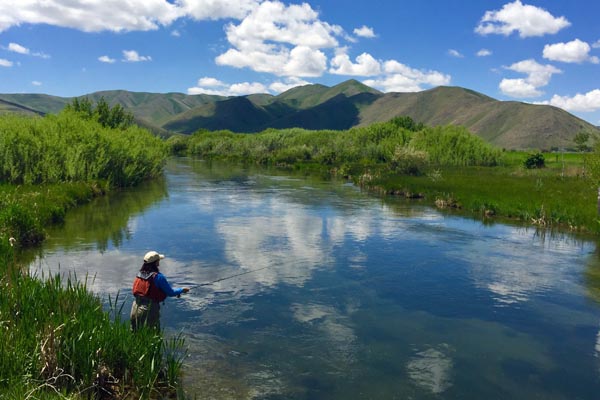
Unlike larger trout streams where wading is often central to the experience, Silver Creek is commonly fished by walking along the banks.
Bank fishing can provide opportunities to observe fish, identify holding water, and plan casts before approaching.
A few things to remember:
- Move slowly and avoid unnecessary disturbance.
- Look for deeper holding water, current seams, and slower pockets.
- Give other anglers enough room to fish comfortably.
- Bring a long-handled landing net with a generous basket.
- Wear appropriate footwear, especially when conditions become muddy or icy.
- Keep fish wet and release them promptly.
Our biggest equipment recommendation? Don’t underestimate the importance of a good net!
When you’re trying to land a large rainbow or Apache trout from the bank, having extra reach can make a tremendous difference.
Silver Creek Fishing Regulations & Access
Silver Creek’s special regulations are an important part of maintaining this fishery.
Catch-and-Release Season: October 1 – March 31
During this period:
- All trout must be released immediately and unharmed.
- Only artificial flies and lures are permitted.
- Single-pointed barbless hooks are required.
- Fishing is permitted only in designated areas open to public angling.
- A valid Arizona fishing license is required for anglers ages 10 and older.
Catch-and-Keep Season: April 1 – September 30
Different regulations apply during the spring and summer fishing season. Always consult the current Arizona Game and Fish regulations for applicable limits and tackle requirements.
Where Is Silver Creek?
Silver Creek Fish Hatchery is located approximately five miles east of Show Low along Highway 60.
From Highway 60, travel north on Bourdon Ranch Road for approximately five miles, then turn east onto Hatchery Way Road for about half a mile.
Winter Property Hours (October 1 – March 31):
6:00 AM – 6:00 PM
Access is through the main hatchery property gate. Trails can become extremely muddy during wet weather, so plan accordingly.
Important: The hatchery’s fish-production areas are not open to fishing. Follow all posted access restrictions and designated fishing boundaries.
Silver Creek Fish Hatchery — Arizona Game and Fish
Don’t Overlook the White Mountain Lakes!
Silver Creek may be the highlight of October, but the surrounding White Mountains offer additional opportunities for anglers looking to extend their trip.
As fall progresses and water temperatures cool, trout can become more active closer to shore, creating opportunities for fly anglers without boats.
Depending on the lake, water levels, stocking history, and current conditions, fall can provide productive fishing right up to the first significant snowfall.
Recommended Fall Lake Fly Patterns
Balanced Leeches
One of our favorite ways to target stillwater trout. Fish them beneath an indicator and experiment with depth to locate feeding fish.
Streamers
Stripping streamers along drop-offs and shallow transitions can be effective when trout are actively feeding.
Egg Patterns
A useful option when fish are responding to attractor-style presentations.
Small Nymphs & Midges
Excellent for more subtle presentations, especially when trout are feeding on smaller aquatic insects.
Shore Fishing Tips
Look for:
- Shorelines with gradual depth changes
- Points and drop-offs
- Shallow bays during favorable conditions
- Areas where fish can move between deeper water and feeding zones
Adjust your retrieve, fly size, and fishing depth throughout the day.
Shop Tip: As water temperatures cool, don’t automatically assume the fish are holding deep. Larger trout may move into accessible shoreline water, creating excellent opportunities for fly anglers.
White Mountain Lakes Worth Exploring
Big Lake
One of the White Mountains’ most recognized trout destinations, Big Lake provides opportunities for anglers targeting rainbow, brook, and cutthroat trout.
It’s a great fishery to research when planning a high-country trout trip, although weather, access, and lake levels can change significantly during fall.
Show Low Lake
Located near Show Low, this lake offers convenient access and a variety of fishing opportunities.
It’s worth checking current conditions and stocking information before heading out.
Other Regional Waters
The White Mountains contain numerous additional lakes and reservoirs, each with its own regulations, fishing opportunities, and seasonal conditions.
Water levels have been unusually low at several Arizona high-country lakes during 2026, affecting boat access and fishing conditions.
Before selecting a destination, confirm that the lake has suitable water levels, legal fishing access, and conditions appropriate for your plans.
Arizona Game and Fish — Lake Fishing Guide
Your Fall Fly-Fishing Checklist
Before heading to Silver Creek or the White Mountains, make sure you’ve packed:
- 9-foot, 5- or 6-weight fly rod
- Floating fly line and appropriate leaders
- Selection of tippet sizes
- Egg, worm, mop, leech, and bugger patterns
- Small nymphs, midges, and emergers
- Strike indicators and nymphing accessories
- Long-handled, rubber-mesh landing net
- Polarized sunglasses
- Warm layers and weather-appropriate footwear
- Valid Arizona fishing license
Mountain weather can change quickly, especially during the transition into winter. Check the forecast, road conditions, and fishing access before making the drive.
Get Geared Up at AZ Fly Shop!
Whether you’re preparing for your first trip to Silver Creek or returning for another season of chasing big trout, the AZ Fly Shop team is here to help.
Stop by for fly recommendations, tippet and leader advice, rods, nets, and all the gear you need to make the most of fall fishing in Arizona.
Our team can help you put together a practical setup for Silver Creek’s early-season attractor fishing or its more technical winter conditions.
Silver Creek season is here. Big fish are waiting. Let’s get you ready!